India
India  Canada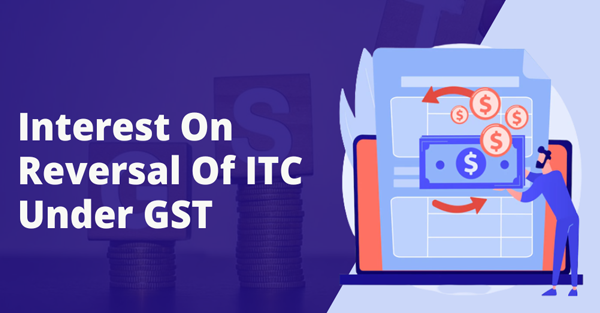
Introduction
In the realm of Goods and Services Tax (GST), Input Tax Credit (ITC) serves as a pivotal mechanism enabling businesses to offset the tax they’ve paid on inputs against their output tax liabilities. However, to maintain the integrity of this system, specific conditions govern the availing and retention of ITC. One such critical condition is encapsulated in Rule 37 of the Central Goods and Services Tax (CGST) Rules, which mandates the reversal of ITC if payment to the supplier isn’t made within 180 days from the date of the invoice.
Understanding Rule 37: The 180-Day Payment Condition
According to the second proviso to Section 16(2) of the CGST Act, a recipient who avails ITC on goods or services must pay the supplier the value of the supply along with the tax within 180 days from the invoice date.
Failure to do so necessitates the reversal of the availed ITC, effectively adding it back to the recipient’s output tax liability. This provision ensures that ITC is claimed only on actual payments made, thereby preventing misuse of the credit system.
| Aspect | Details |
| Purpose of ITC | To offset taxes paid on inputs against output tax liabilities. |
| Rule 37 | Mandates ITC reversal if payment to suppliers is not made within 180 days from the invoice date. |
| Relevant Section | Second proviso to Section 16(2) of the CGST Act. |
| Reason for Reversal | for Reversal Ensures ITC is claimed only on actual payments made, preventing misuse. |
Procedure for ITC Reversal Under Rule 37
If a recipient fails to make the requisite payment within the stipulated 180 days, the following steps should be undertaken:
| Step | Description |
| 1. Identify Unpaid Invoices | Unpaid Invoices Determine invoices unpaid beyond the 180-day threshold. |
| 2. Calculate Reversible ITC | Ascertain the ITC amount corresponding to the unpaid invoices. |
| 3. Include in Output Tax Liability | Add the calculated ITC to the output tax liability in the GSTR-3B return for the relevant period. |
| 4. Pay Applicable Interest | Compute and pay interest (currently 18% per annum) from the date of availing ITC to its reversal. |
Re-availing ITC Upon Payment
Once the payment to the supplier is eventually made, the recipient is entitled to re-avail the reversed ITC. This re-availment is not subject to the time limit specified under Section 16(4) of the CGST Act, providing flexibility for businesses to reclaim ITC upon settling their dues.
| Condition | Description |
| Re-availment Condition | Reversed ITC can be reclaimed upon making the payment to the supplier. |
| Time Limit | Not subject to the time limit under Section 16(4) of the CGST Act. |
Strategies to Avoid Interest & Penalties
To mitigate the risk of interest liabilities and penalties associated with ITC reversal under Rule 37, businesses can adopt the following measures:
| Strategy | Description |
| Timely Supplier Payments | Settle invoices within the 180-day window to prevent mandatory ITC reversals. |
| Robust Accounting Systems | Implement software to track payment timelines and flag invoices nearing the 180-day limit. |
| Regular Reconciliation | Periodic checks between accounts payable and ITC claimed to resolve discrepancies. |
| Vendor Communication | Maintain clear communication with suppliers to avoid payment delays. |
| Training & Awareness | Educate staff about compliance requirements and the importance of adhering to payment timelines. |
Conclusion
Implementing the strategies mentioned above can help businesses ensure compliance with GST provisions, optimize their tax positions, and avoid the financial repercussions associated with ITC reversals under Rule 37. A proactive approach toward payment timelines and reconciliation processes can significantly reduce the burden of unnecessary interest and penalties.
If you have any questions, please don’t hesitate to reach out to us using the contact details available on our website or the information provided below.
Regards,
CA. Akshay
Partner
Mobile: 8527238625
Email: infodelhi@corporategenie.in